
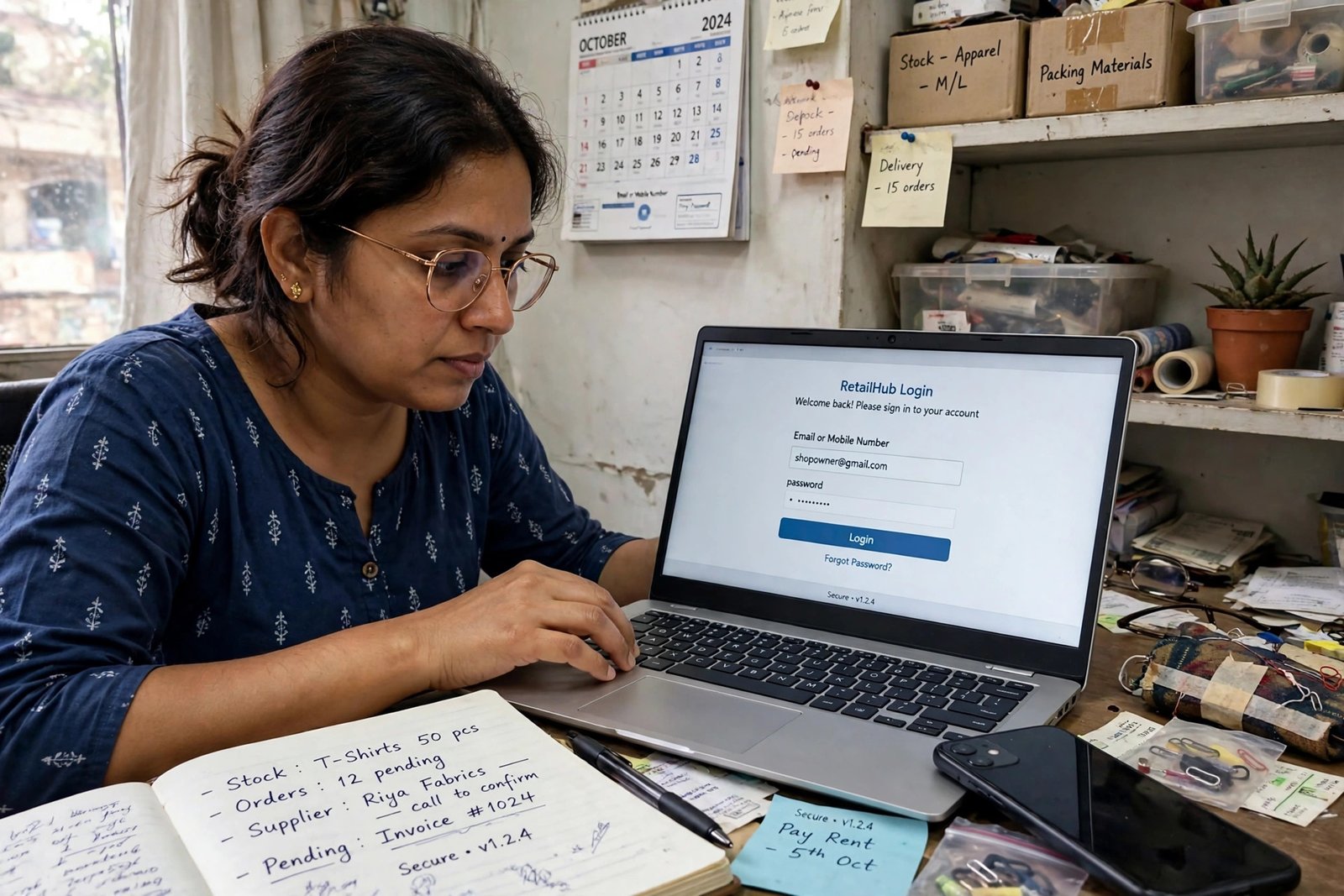
A website security guide matters because a hacked website loses customers fast. Visitors see spam or a warning page, Google may flag your site, and your phone stops ringing. Most small business websites are not hacked by geniuses — they are hacked through passwords, old software, and forgotten files that nobody checked.
Use a strong password and change it regularly Weak passwords are the most common way in. Use a long password with letters, numbers, and symbols, never reuse it anywhere else, and change it every few months. If your website or hosting offers two-step verification, turn it on — it stops most login attacks on its own.
Keep your website software updated Outdated software is the second most common way in. Updates fix the security holes that hackers already know about, so install them promptly instead of putting them off. If your developer handles updates for you, ask them to confirm it is being done — do not assume.
Remove files and accounts you no longer use Old demo pages, unused plugins, and ex-employees' logins are open doors. Delete what you do not use, and remove accounts the moment someone leaves. A website with fewer open doors is a much harder target.
Keep a backup you can actually restore Even a safe website can be hit. Keep a regular backup of your website and its database, stored away from the website itself, and check once that it can actually be restored. A backup you have never tested is only a hope, not a plan.
Takeaway Use a strong unique password, keep your software updated, remove what you no longer use, and keep a tested backup — those four habits keep most small business websites safe.
Want help with this?
Tell us about your business and what you want to improve. We reply with next steps and a clear quote.
Talk to Us →